History Lover's Route on Ile de la Cite - Power and Ritual in Paris
Follow a history-focused route across Ile de la Cite connecting sacred monarchy, legal institutions, and Revolutionary change.
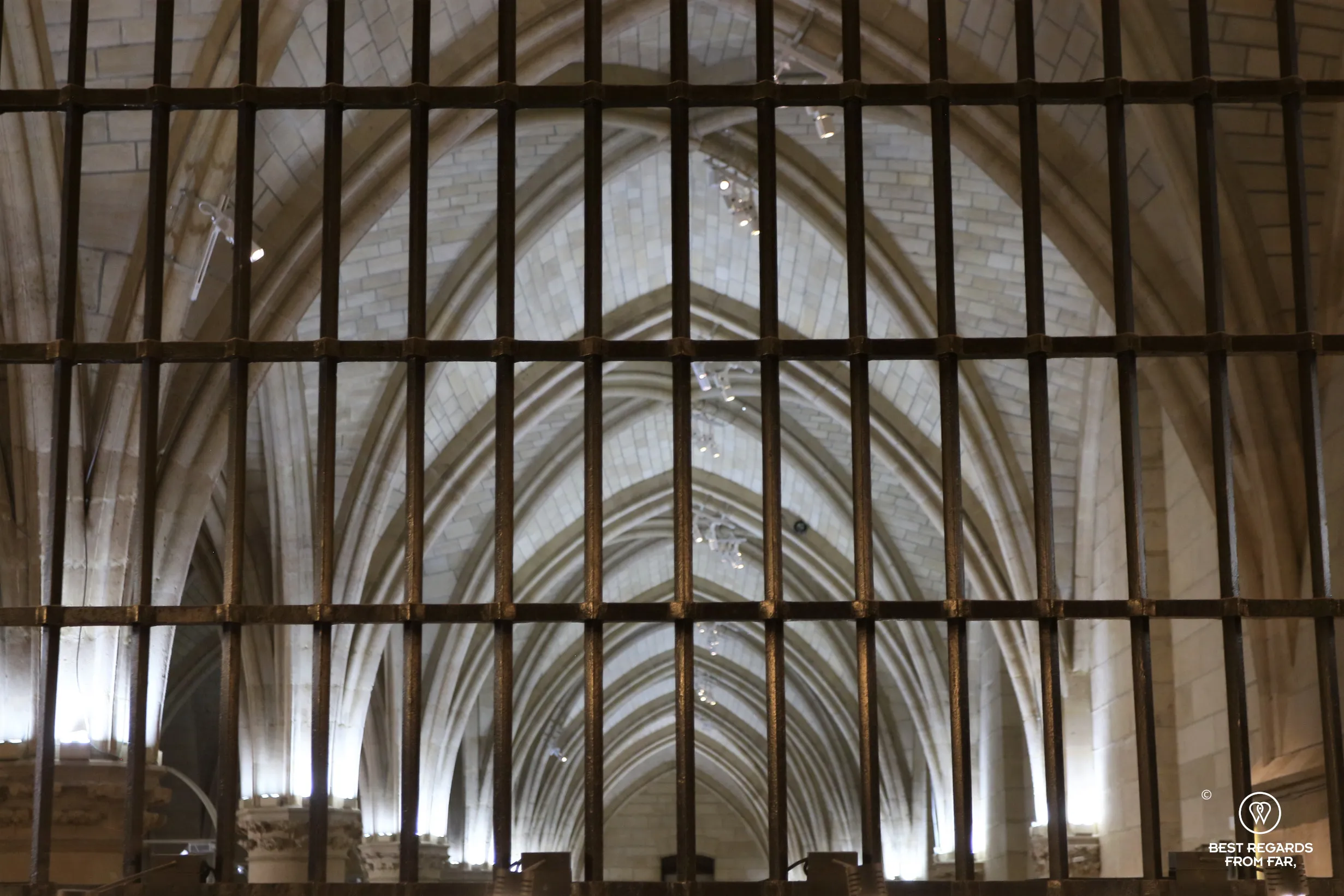
This route follows one question: how does a city stage authority over time?
Four thematic lenses
- Sacred legitimacy
- Administrative machinery
- Punitive visibility
- Public memory
Where each lens appears
| Lens | Primary site |
|---|---|
| Sacred legitimacy | Sainte-Chapelle upper chapel |
| Administrative machinery | Conciergerie medieval halls |
| Punitive visibility | Revolutionary narratives |
| Public memory | Memorial sections and modern interpretation |
Use this reading protocol
- Observe one space
- Ask what behavior it encouraged
- Ask who was included or excluded
- Note what later eras changed
[!NOTE] Good history travel is less about dates and more about structures.
Closing exercise
Write five lines beginning with: This room wanted people to...
Ile de la Cite is not just old Paris. It is institutional Paris in concentrated form.
Read the island as a political text
Each monument does more than represent an era. It stages behavior. Where to stand, where to look, where to wait, where to be judged. That choreography is historical evidence.
As you move between sites, ask one repeated question: what kind of citizen or subject does this space imagine? Sacred witness, obedient participant, fearful observer, reflective visitor. Different periods produce different answers.
This lens transforms a standard route into a civic history seminar conducted by streets, halls, and thresholds.
About the Author

Paris Heritage Editor
This guide was written for travelers who want more than a quick photo stop. Sainte-Chapelle rewards curiosity, and our goal is to help you understand its historical depth, artistic genius, and practical visit details so your time inside feels meaningful, not rushed.
Tags
Comments (0)
Loading comments...