Scholar-Style Notes for Sainte-Chapelle and Conciergerie Visits
A practical note-taking framework for travelers who want deeper understanding of Sainte-Chapelle and the Conciergerie.
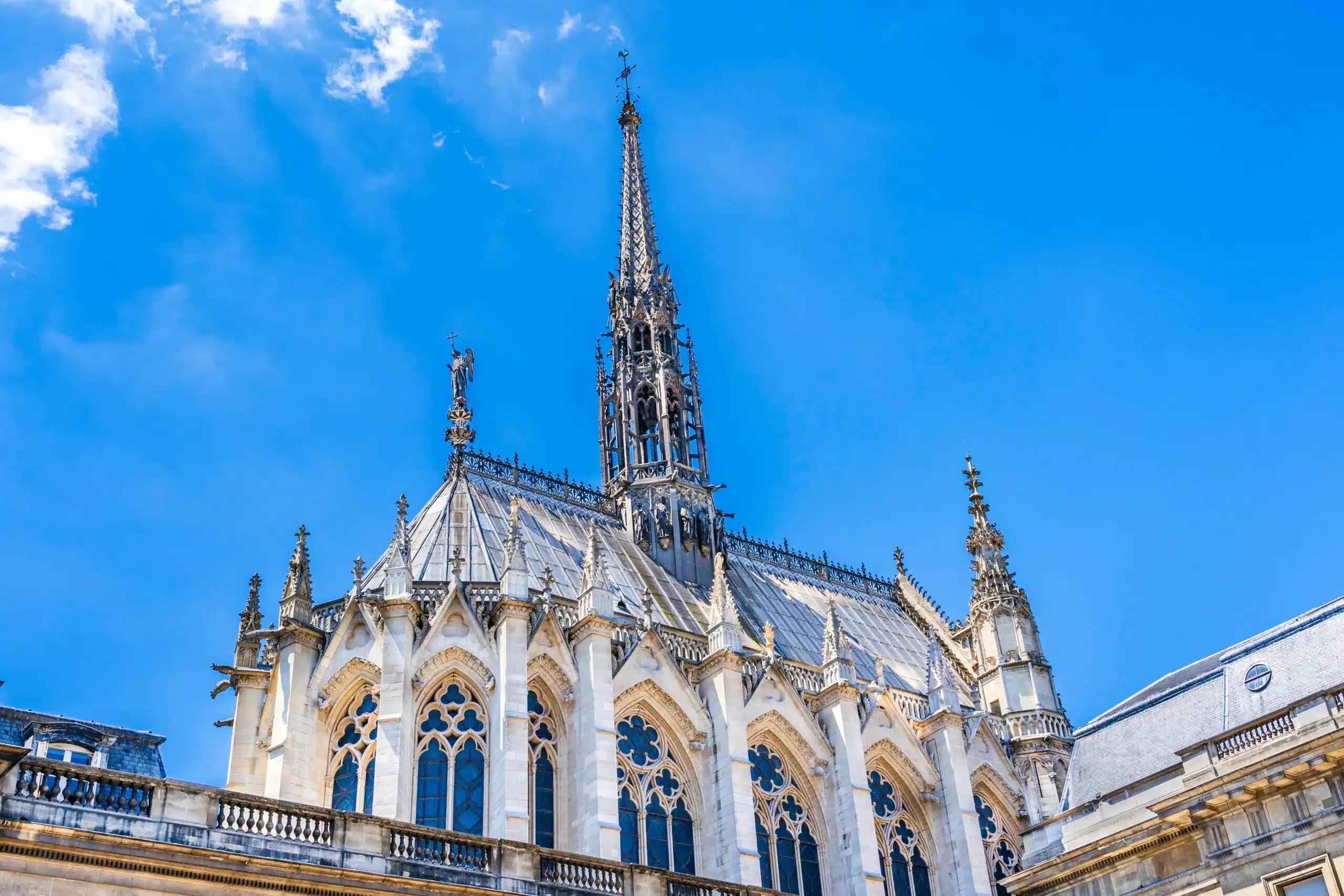
Great visits fade quickly unless you capture them with structure.
Use this simple note template
Section A - Description
What is physically present? (no interpretation yet)
Section B - Interpretation
What might this form or sequence be trying to communicate?
Section C - Question
What remains uncertain and worth checking later?
Fast table format
| Space | Description | Interpretation | Open question |
|---|---|---|---|
| Sainte-Chapelle upper chapel | Glass-dominant enclosure | Sacred monarchy script | How was sequence taught to medieval audiences? |
| Conciergerie great hall | Monumental stone volume | Civic-institutional authority | Which functions overlapped daily? |
Micro-method during the visit
- Write for 2 minutes every 25 minutes.
- Capture one quote from a panel per room.
- End with three comparative claims.
[!TIP] Notes are better when short and regular than long and delayed.
After-visit synthesis prompt
Complete this sentence: These monuments tell one story about power, but in two different architectural dialects.
You do not need to be an academic to visit like one.
From notes to lasting insight
After the visit, spend ten minutes turning raw notes into three claims. Keep each claim evidence-based: one observation, one interpretation, one uncertainty. This preserves rigor without overcomplicating your process.
Then write a short comparison paragraph using a repeatable pattern: Sainte-Chapelle emphasizes ..., while the Conciergerie emphasizes ..., and together they suggest .... This synthesis step is where memory becomes understanding.
Field notes are not homework. They are a way to honor attention. When you write clearly, you revisit clearly.
著者について

Paris Heritage Editor
このガイドは“写真を撮って終わり”では物足りない旅行者のために作成しました。サント・シャペルは好奇心に応えてくれる場所です。歴史の厚み、芸術的才能、実用情報をひとつにつなぎ、滞在時間を意味ある体験に変えることを目指しています。
Tags
Comments (0)
Loading comments...