Conciergerie Underground Guide - Cells, Corridors, Historical Context
Explore the Conciergerie's underground and prison-like spaces with historical framing and practical visitor guidance.
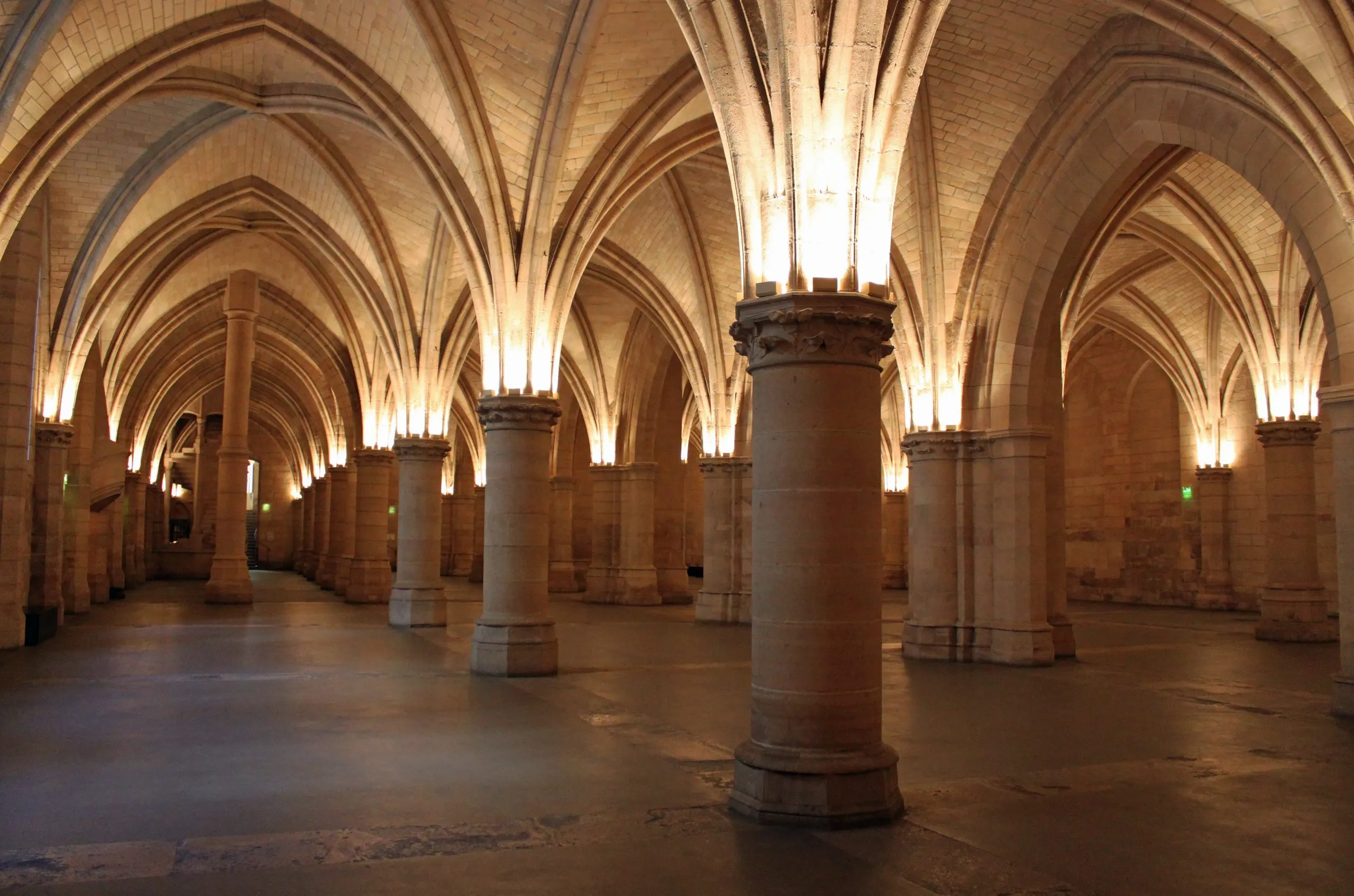
The lower spaces of the Conciergerie change how you understand the building above.
First impression
Air, stone, and narrow passages create a physical sense of controlled movement. The architecture does part of the historical storytelling before any text panel appears.
What to focus on
- Wall thickness and acoustic dampening
- Circulation paths and visibility lines
- Contrast between civic halls and confinement zones
| Observation | Interpretation cue |
|---|---|
| Narrow corridor turns | Control and surveillance logic |
| Sparse light pockets | Behavioral pressure in confined environments |
| Reconstructed details | Modern museum framing choices |
[!WARNING] Atmosphere can exaggerate certainty. Keep interpretation grounded in provided evidence.
Best visiting pace
- Move slowly through one corridor only
- Stop at one reconstruction panel
- Compare with one upper-level space
Why this comparison matters
Without comparing upper and lower zones, visitors may miss how one complex held ceremony, administration, and punishment at once.
These spaces do not just show confinement. They reveal institutional design.
Atmosphere plus analysis
Underground zones can trigger strong emotional responses. Use that reaction as a starting point, then verify it with observation: circulation, visibility, material choices, and interpretive framing.
A useful method is compare-and-return. Visit one lower corridor, then one upper ceremonial space, then return mentally to the lower zone. The contrast clarifies how the same complex organized hierarchy, function, and punishment.
When you combine mood with structural reading, the visit becomes historically sharper and less vulnerable to sensationalism.
Yazar hakkında

Paris Heritage Editor
Bu rehber, yalnızca hızlı bir fotoğraf molasından fazlasını isteyen gezginler için yazıldı. Sainte-Chapelle merakı ödüllendirir; amacımız tarihsel derinliğini, sanatsal dehasını ve pratik ziyaret ayrıntılarını anlaşılır kılmak, böylece içeride geçirdiğiniz zamanın aceleye gelmeden gerçekten anlam kazanmasını sağlamaktır.
Tags
Comments (0)
Loading comments...